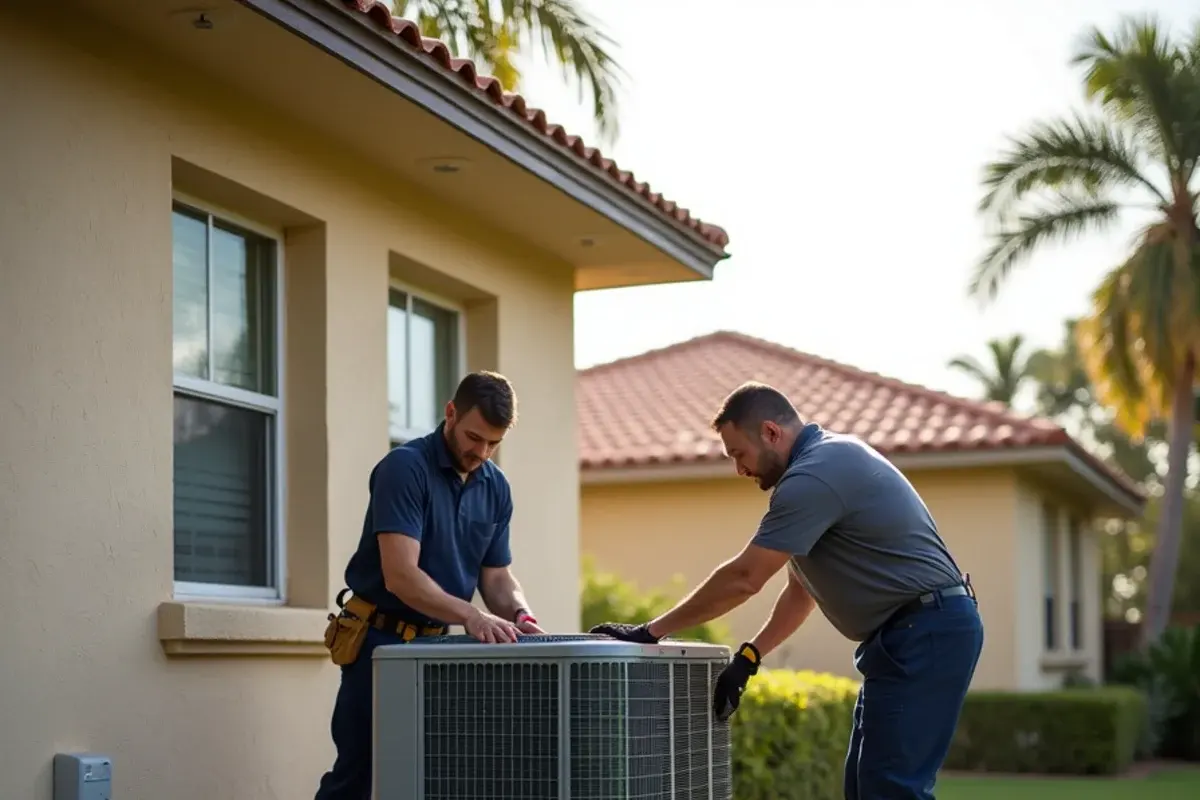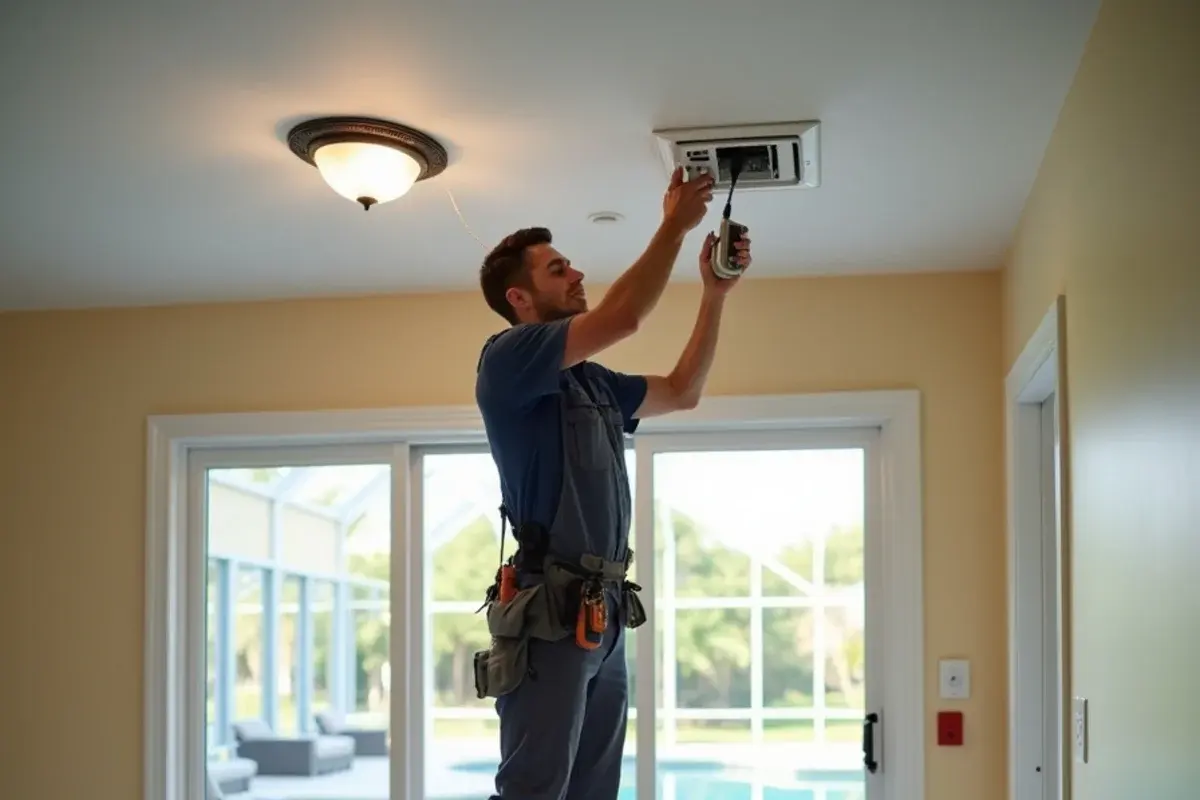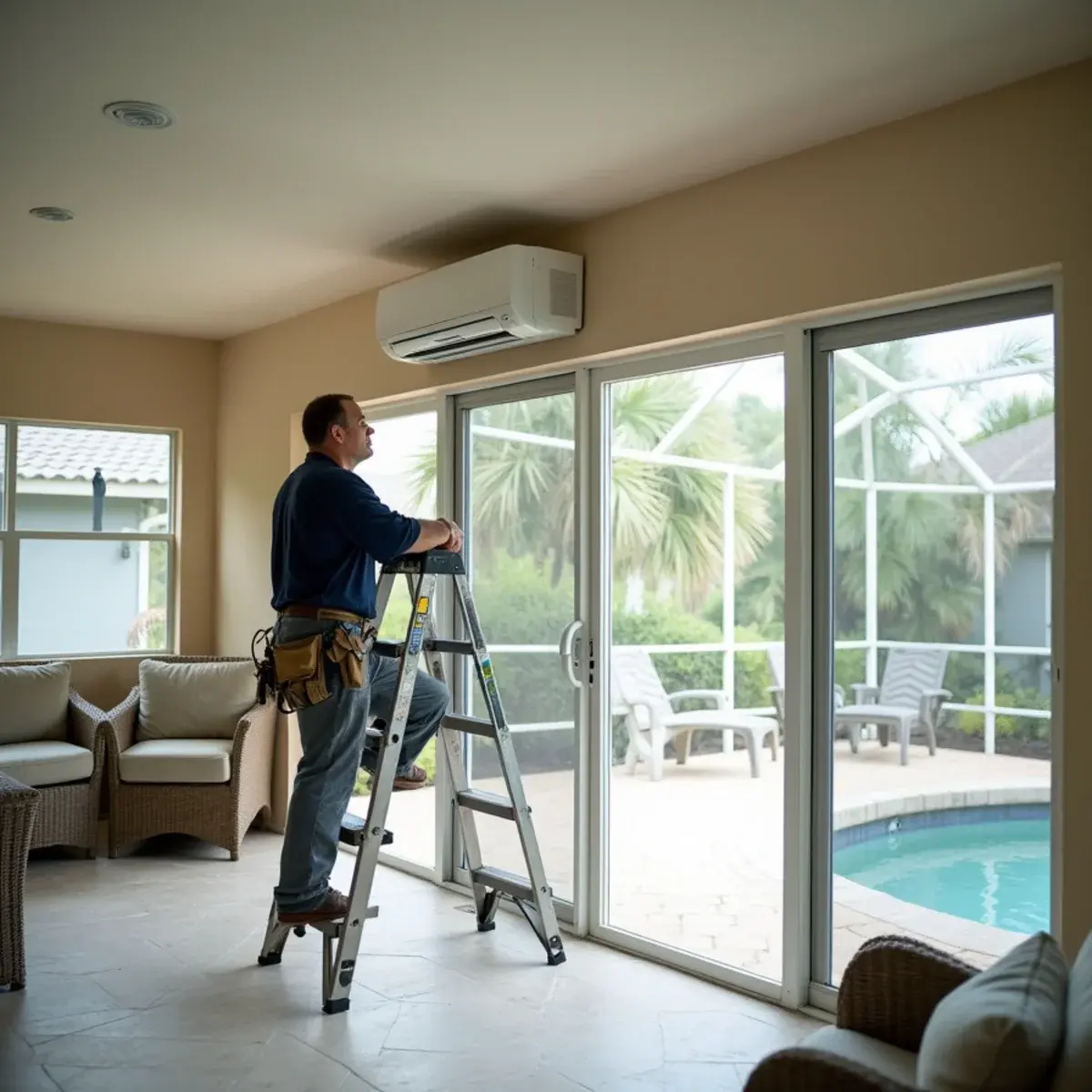
Mini-split installation in Clermont, FL is the cleanest way to cool a converted garage, an enclosed lanai, a bonus room or an addition without extending the house ductwork. A contractor sizes the system for that one space, mounts the indoor head and outdoor unit, runs a small line set through the wall and pulls the permit, usually in a day.
A ductless mini-split cools one space without touching your ductwork: an outdoor condenser, a refrigerant line set through the wall and a quiet indoor head. In Clermont that usually means a garage turned into a gym or workshop, an enclosed lanai, a bonus room over the garage, or an addition the original system was never sized for. Call (321) 478-0693 and we will send a local HVAC contractor to look at the space.
We answer 24/7 and dispatch independent contractors who install, repair and clean ductless systems across Clermont and our service area, including Minneola, Groveland and Four Corners. Every HVAC contractor we send is licensed and insured in Florida. The price comes in writing after the site visit and before any work starts.
Where a Mini-Split Makes Sense: Garages, Enclosed Lanais, Additions, Bonus Rooms
Ductless AC in Clermont works best where running a new duct from the main system is impractical or would starve the rooms it already serves. The most common Clermont jobs:
- Garage air conditioning for a workshop, gym or golf-cart bay.
- Lanai air conditioning once a screened porch is enclosed with windows.
- Bonus rooms over the garage in two-story homes that stay hot no matter where the thermostat sits.
- Additions and in-law suites built after the original system was sized.
- Homes with no ductwork, such as some older homes near downtown Winter Garden, where wall heads avoid tearing into plaster.
If the whole house is struggling, a mini-split is a patch. A failing central system usually calls for an AC replacement instead.
Florida Rooms and Converted Garages the Main System Cannot Cool
Extending a duct into a Florida room looks cheaper on paper. But the central system was sized with a Manual J calculation for the original living space, and a glass-walled lanai adds more heat than it has to spare. The new run steals air from the bedrooms, so now two areas are uncomfortable.
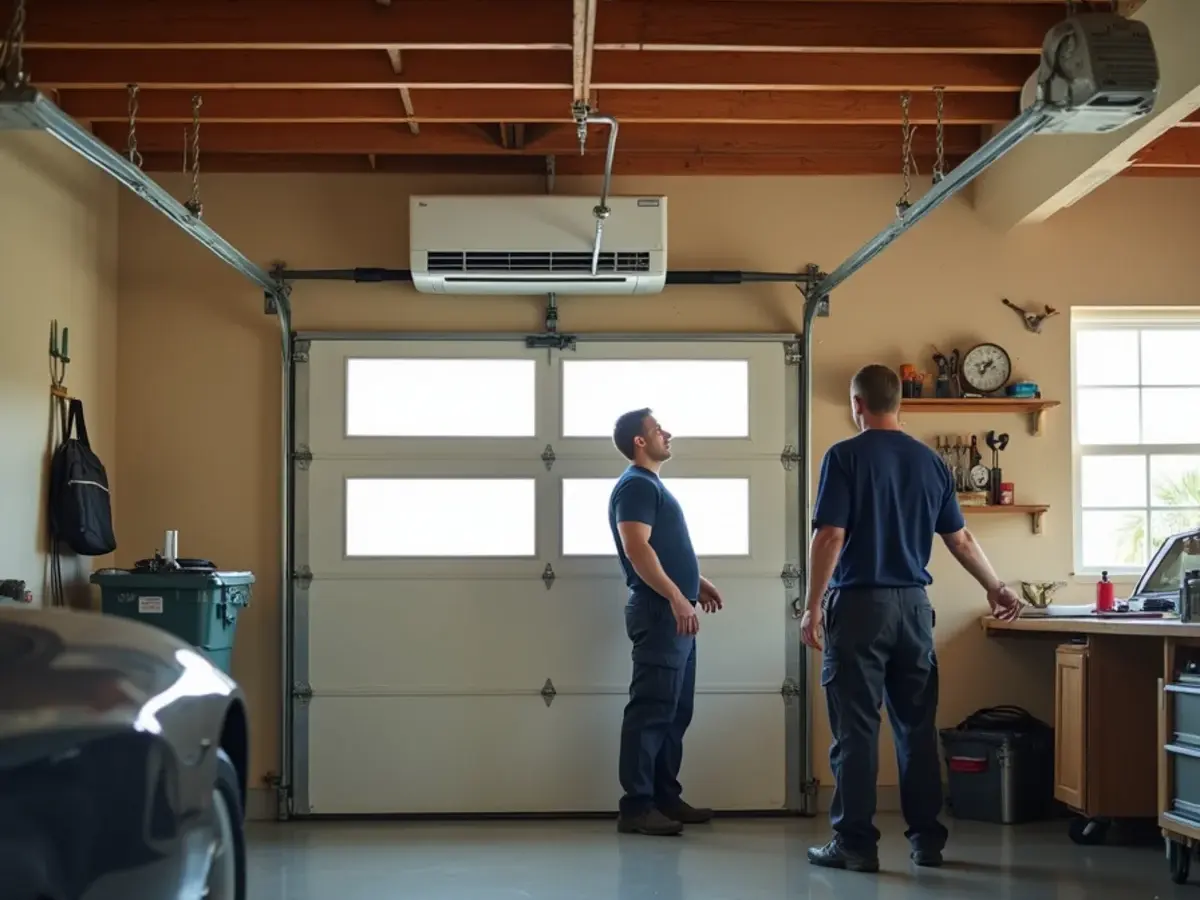
Garages have a code problem as well: building codes generally do not allow the house duct system to open into an attached garage, partly to keep exhaust fumes out of the living space. A mini-split cools the garage on its own circuit and refrigerant loop. If a hot room is inside the main house, check whether duct repair or a better return fixes it first.
Single-Zone vs Multi-Zone Systems
A single-zone system pairs one outdoor unit with one indoor head. A multi-zone mini split runs two or more heads, each with its own remote and setpoint, from one condenser.
| Single-zone | Multi-zone | |
|---|---|---|
| Indoor heads | One | Two or more, depending on the model |
| Best for | A garage, lanai or single bonus room | Several rooms, or a home with no ducts |
| If the outdoor unit fails | One room loses cooling | Every connected room loses cooling |
| Humidity control in small rooms | Easier to match the load | Harder if heads are oversized |
| Outdoor units on the wall | One per room | One for the group |
In humid Central Florida, an oversized head in a small bedroom cools fast, shuts off and leaves the air clammy. Sometimes two single-zone systems beat one multi-zone.
Sizing and Placement: Line-Set Length, Condensate Drain, Electrical Circuit
Sizing
The room gets its own load calculation: square footage, glass, sun exposure, insulation and how it is used. Inverter compressors slow down to match the load, but only within a range, so an oversized unit still short-cycles.
Line set
Every model has minimum and maximum line-set lengths and a height-difference limit between units, and longer runs may need added refrigerant. Placement balances the shortest route against where the head throws air best.
Condensate drain
A mini-split in a Florida lanai pulls a lot of water out of the air. The drain needs a steady downward pitch through the wall to a spot away from the foundation and walkways; where gravity will not work, a small condensate pump goes in.
Electrical circuit
Most systems need a dedicated 208/230-volt circuit and a disconnect at the outdoor unit. Older or full panels may need work first, which the contractor checks on the site visit.
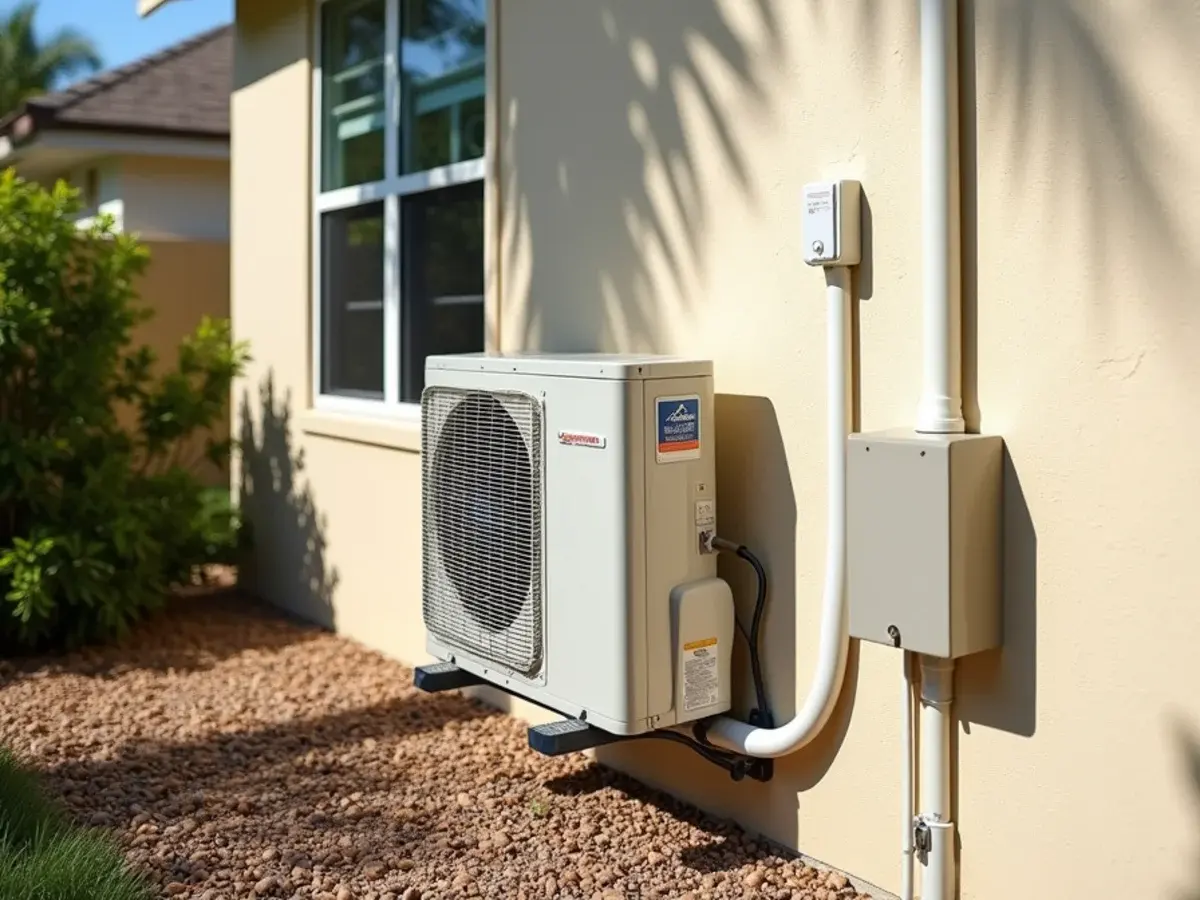
Installation: Permit, Mounting, Vacuum and Start-Up
- Permit. The contractor pulls the mechanical permit, plus electrical where required.
- Mounting. The indoor bracket goes up level, a hole is cored through the wall, and the outdoor unit is set on a pad or wall bracket and anchored for Florida wind loads.
- Line set and drain. Flare joints are torqued to spec and the line set and drain are run inside a cover.
- Pressure test and vacuum. The system is pressure-tested with nitrogen, then evacuated with a vacuum pump and checked with a micron gauge.
- Start-up. Refrigerant is released, charge is adjusted for line length, and the technician checks temperatures, drain flow and every mode on the remote.
- Inspection. The building department inspects the finished work.
New systems now ship with lower-GWP refrigerants such as R-32 or R-454B, and anyone handling refrigerant must hold EPA Section 608 certification.
Mini-Split Repair and Deep Cleaning
A mini-split that runs but will not cool usually has the same causes as a central system, just in a smaller box: a packed filter, a dirty coil, low refrigerant from a leak or an outdoor fan that has stopped. Our guide to why an AC runs but does not cool walks through each one.
Most ductless mini split repair calls trace to a few causes: clogged filters, a blocked drain that sends water down the wall, a refrigerant leak at a flare joint, a failed outdoor fan motor, or a control board hit by a lightning surge. A blinking light on the head is an error code that helps the technician narrow it down.
Mini split cleaning goes beyond rinsing filters. In Florida humidity the blower wheel and coil grow mold and slime, and you see black specks blowing out of the head. A deep clean uses a drip bag, coil cleaner, a cleaned or removed blower wheel and a flushed drain pan. Add the heads to your AC maintenance visit so they get the same attention.
What Affects Mini-Split Cost
The contractor looks at the space, then gives a written price before work starts. What changes it:
- Number of zones and the capacity of each head.
- Efficiency ratings (SEER2 and HSPF2) and brand.
- Head style: wall-mounted, ceiling cassette, floor console or slim ducted.
- Line-set length and route, and whether the wall is concrete block.
- Electrical work, including panel space and a new circuit.
- A condensate pump where gravity drainage is not possible.
- Permits and inspection.
Our Central Florida AC replacement cost guide explains how efficiency ratings and new refrigerants shape pricing. Rental owners should also read our vacation rental AC guide for Four Corners.
Why Choose Sugarloaf Cooling for Mini-Split Installation
- Sized for the room, not the box on the shelf. A garage with a west-facing door and no insulation needs a different system than an insulated bonus room, and the quote is based on the space you actually have.
- Placement planned around Florida weather. The line set, the condensate drain and the outdoor unit are placed so water drains away from the wall and the condenser sits on a stand or pad anchored against storms.
- Licensed, insured and permitted. Every HVAC contractor we send is licensed and insured in Florida. The contractor pulls the permit, pulls a proper vacuum and tests for leaks before start-up.
- Repair and cleaning, not just installs. The same call covers a mini-split that is dripping, blinking an error code or blowing black specks, on any brand you already have.
- A written price after the site visit. Call (321) 478-0693; nothing is installed until you have the quote in hand.
Mini-Splits Across South Lake County
Where mini-splits go depends on the housing. In Winter Garden, some older homes near downtown have little or no ductwork, and a multi-zone system cools them without tearing into plaster. Around Four Corners, vacation homes add them to game rooms in converted garages. Bonus rooms over the garage in Minneola are a common single-zone job, and in Groveland enclosed lanais and Florida rooms in the 55+ communities lead the list. Workshops and outbuildings on the rural lots around Mascotte are another good fit. Every community we cover is listed on the service areas page.
Ductless Mini-Splits FAQ
Can a mini-split cool a garage in Florida heat?
Yes, if it is sized for the real load. A Florida garage gains heat through the door, the uninsulated ceiling and the slab, so the contractor runs a load calculation rather than going by square footage. Insulating the garage door and the attic above, and sealing gaps around the door, makes a big difference. With those steps a right-sized unit keeps a workshop or gym comfortable through summer afternoons, though an uninsulated garage will run warmer than the house.
Do I need a permit for a mini-split in Lake County?
Generally yes. Lake County lists new mini-split systems on its mechanical permit paperwork, and the City of Clermont issues its own mechanical permits for homes inside city limits. The new circuit may also need electrical approval. The licensed contractor pulls the permit, schedules the inspection and knows which office covers your address, so this is part of the job rather than something you file yourself.
How long does a mini-split installation take?
A single-zone system with a short, straight line set is usually a one-day job: mounting, running the line set, vacuum, start-up and cleanup. Multi-zone systems, long line-set routes through an attic, concrete block walls or panel upgrades can stretch it to two days or more. The permit and inspection add calendar time around the install, so ask the contractor for the full timeline when you get the quote.
How often does a mini-split need cleaning?
Rinse the washable filters about once a month during the cooling season, more often in a dusty garage or a busy rental. A professional deep cleaning of the coil, blower wheel and drain pan is worth doing about once a year in Central Florida, because constant humidity lets mold build up inside the head. If you see black specks, smell mustiness or notice water dripping, schedule a cleaning sooner.
What size mini-split do I need for a two-car garage?
An insulated two-car garage in Central Florida often lands somewhere around 12,000 to 18,000 Btu, but the number should come from the space, not a chart. A west-facing door, no ceiling insulation, a second fridge or a workshop full of tools push it up; an insulated door and attic push it down. The contractor measures the room and looks at the door and attic before recommending a size, and an oversized unit will leave the garage cold and damp.
Can a ductless mini-split heat as well as cool?
Most can. The majority of mini-splits sold today are heat pumps, so the same indoor head that cools the lanai in July warms it on a 40-degree January morning. In Central Florida's mild winters that is usually all the heat an addition or bonus room needs. If you want heat, confirm the model on the quote is a heat pump and not a cooling-only unit.