When an AC stops working, check eight things before calling for emergency repair: the thermostat settings and batteries, the indoor and outdoor breakers, the disconnect box beside the condenser, the air filter, the condensate drain safety switch, ice on the refrigerant lines, whether the outdoor fan is turning, and whether a storm or outage tripped something.
Together they take about fifteen minutes and need no tools. Some checks restore cooling outright. The rest tell the technician where to start. If any check turns up a burning smell, a buzzing breaker or water coming through a ceiling, stop and call.
Two safety rules before you touch anything
An air conditioner runs on 240 volts and holds refrigerant under pressure. Everything on this list is something a homeowner can safely look at or switch. Nothing on it involves opening a panel that needs a screwdriver.
- Reset a breaker once, never twice. If it trips again, a short or a seized motor is pulling too much current, and repeated resets can damage the compressor or the wiring.
- Do not open the outdoor unit or the air handler cabinet. Capacitors hold a charge even with the power off, and the contactor terminals are live whenever the breaker is on.
Checks 1 to 3: thermostat, breakers and the outdoor disconnect
1. The thermostat
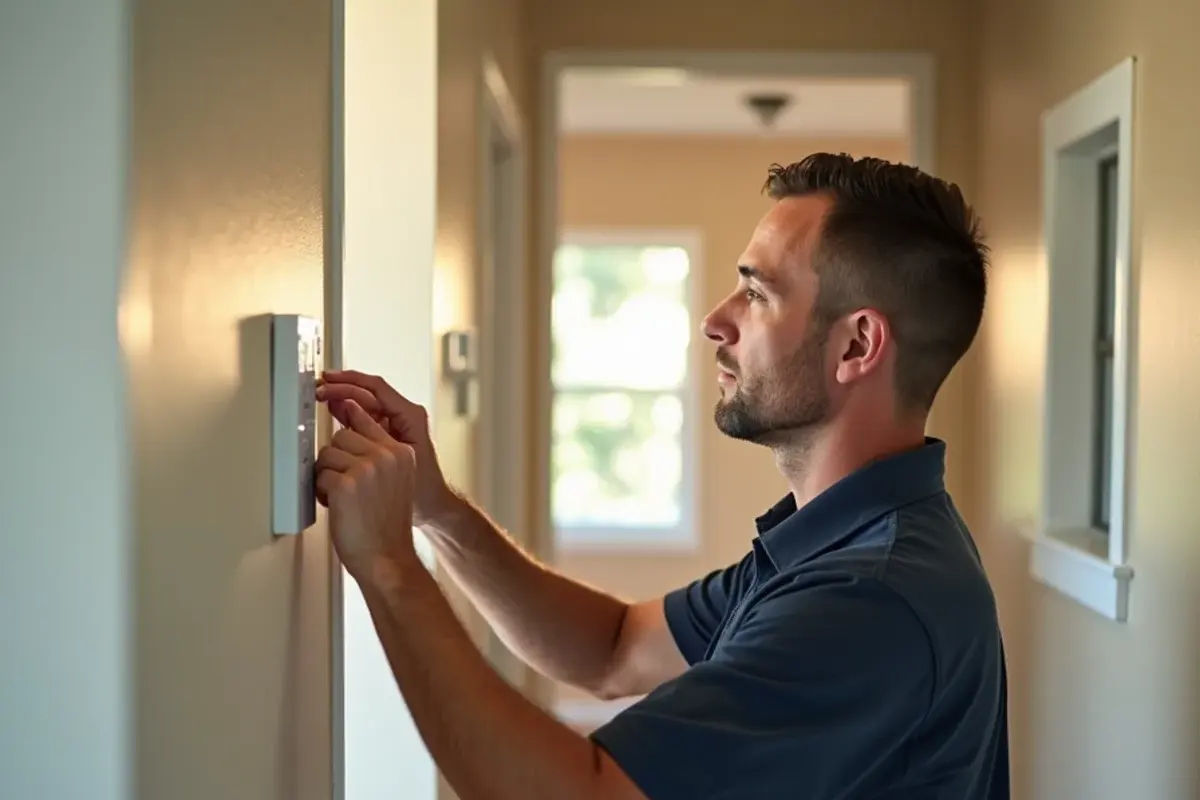
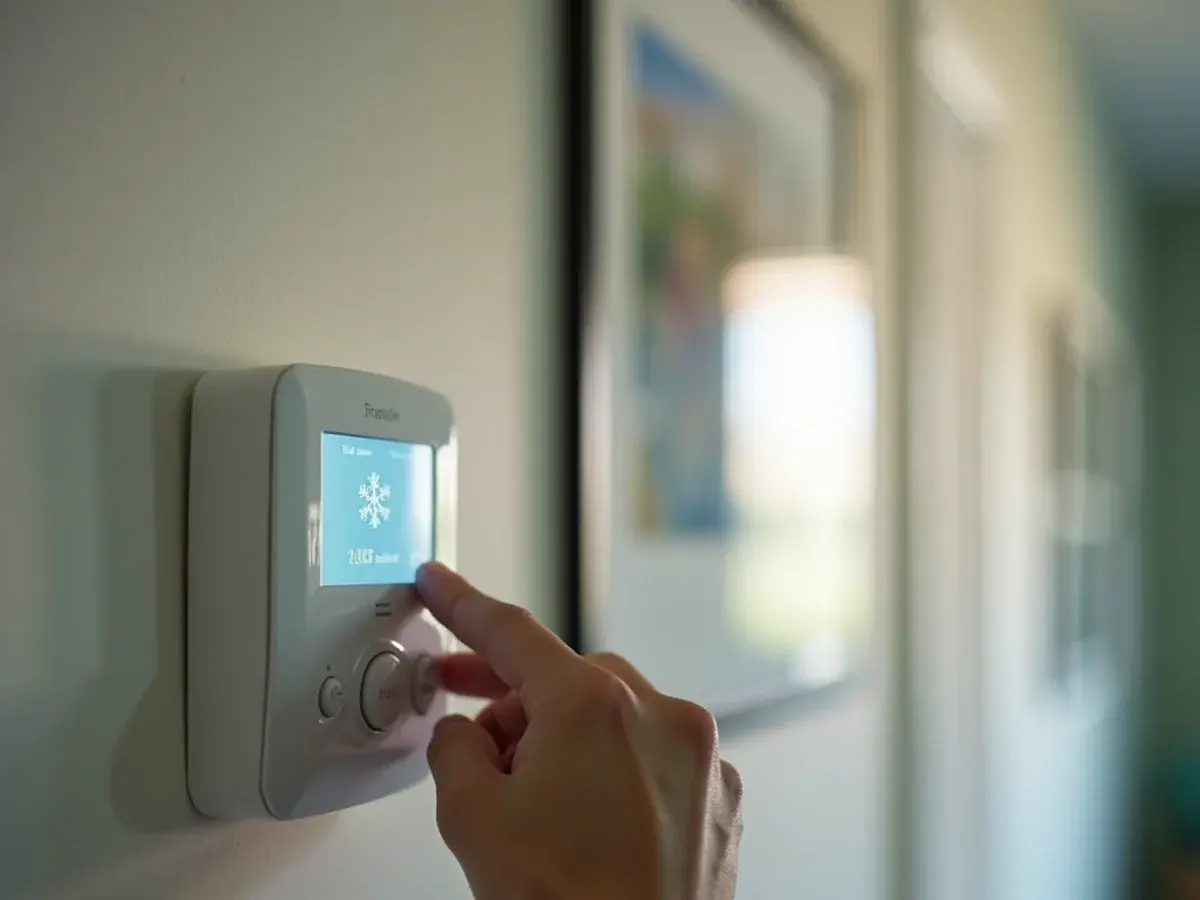
Confirm the mode is set to Cool, not Heat, Auto or Off, and that the setpoint is at least three degrees below the room temperature. A blank or flickering screen usually means dead batteries. Many thermostats are battery powered even when they are wired, and a weak battery can drop the call for cooling without clearing the display.
2. Two breakers, not one
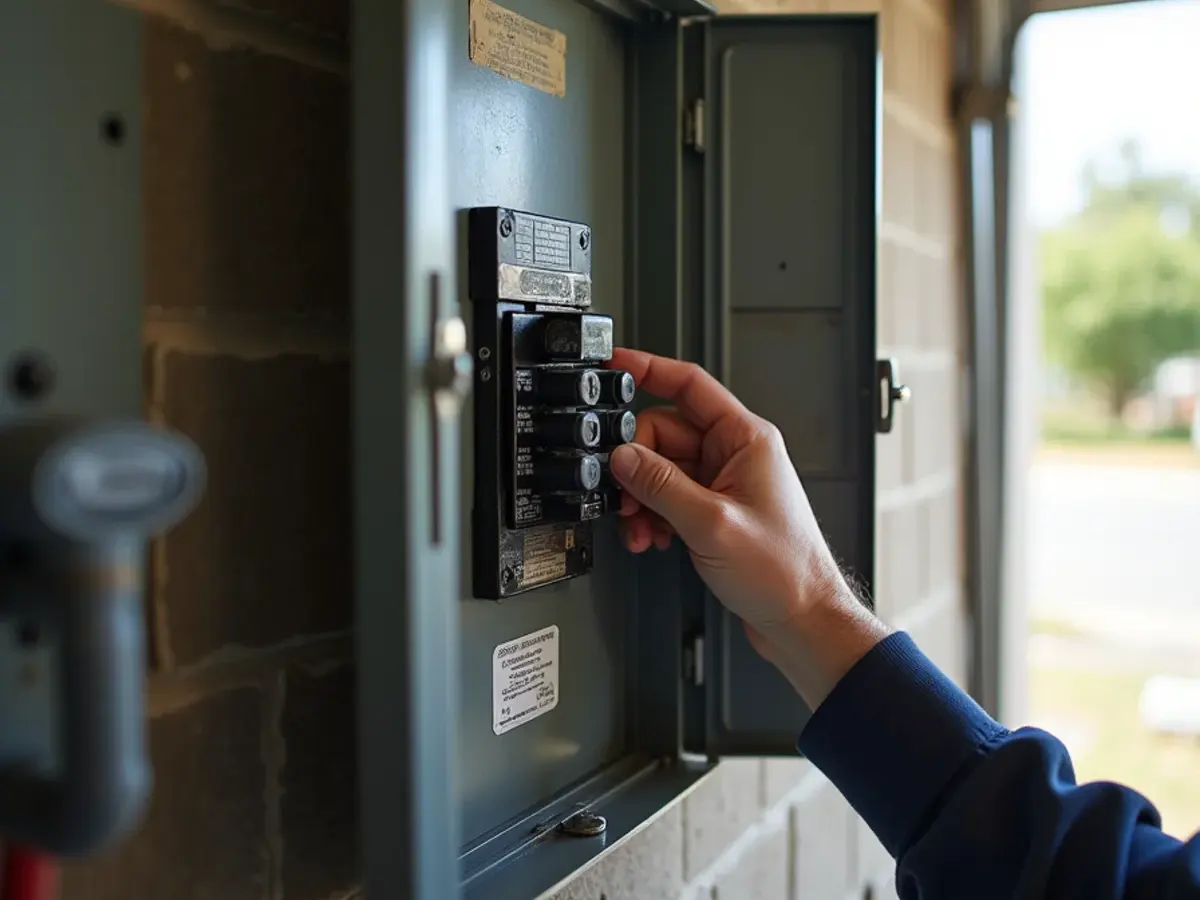
A split system has a breaker for the indoor air handler and a separate, larger double-pole breaker for the outdoor condenser. They are often labeled AHU and Condenser, though labels fade. A tripped breaker sits in the middle position. Push it fully off, then back on.
3. The disconnect beside the outdoor unit
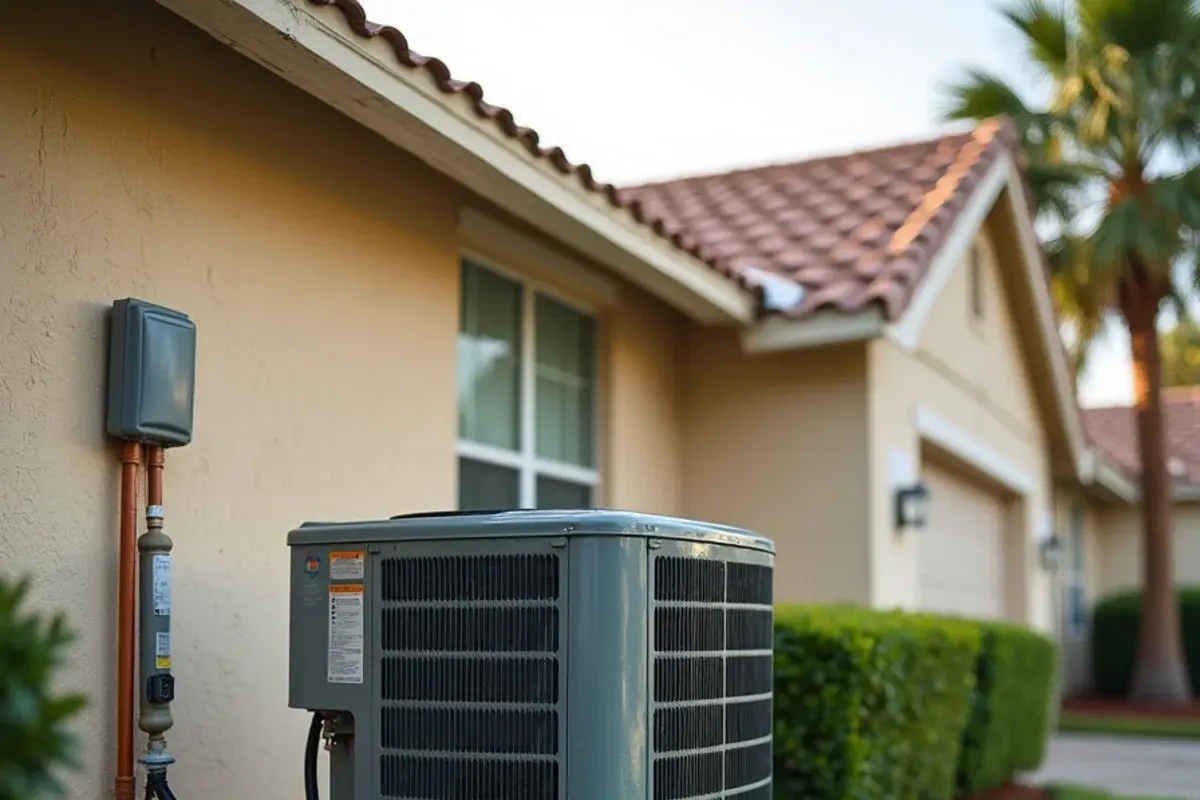
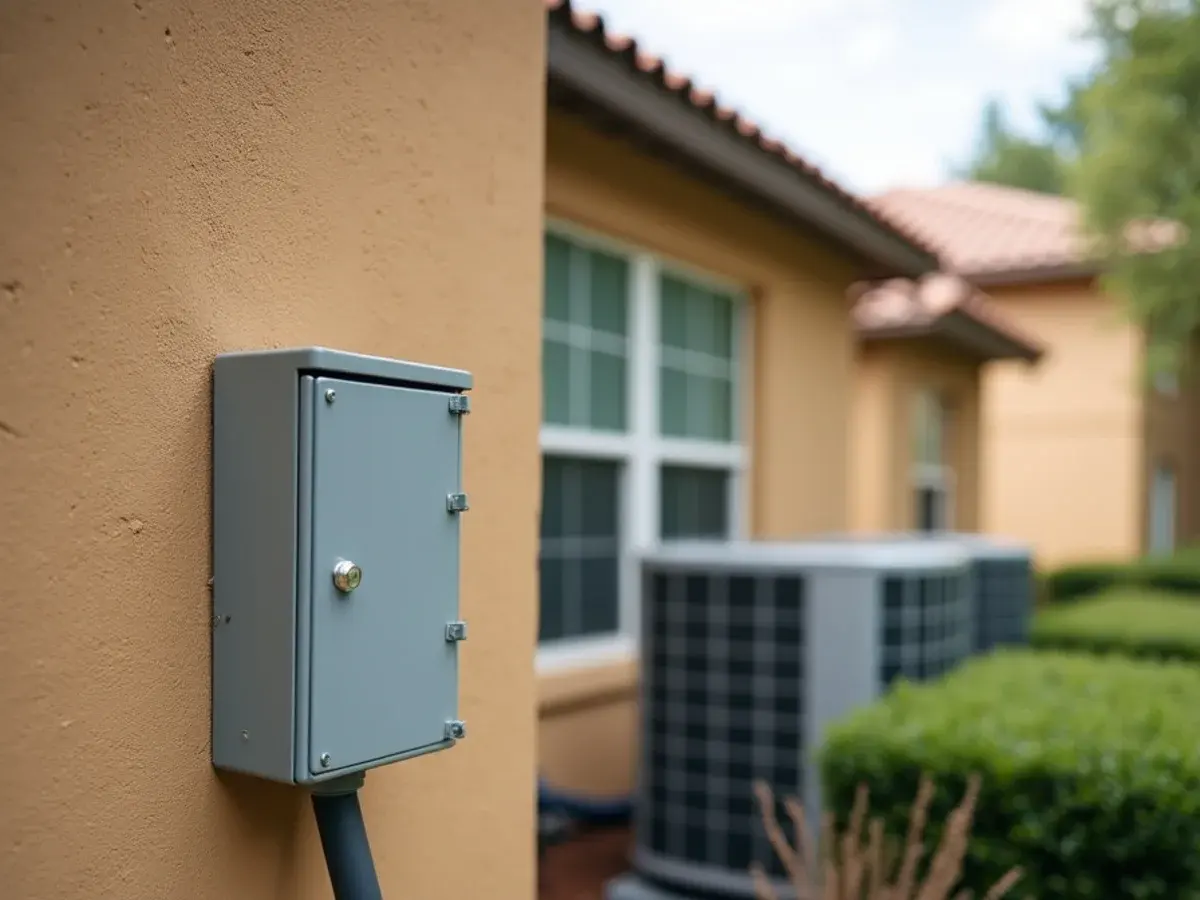
Mounted on the wall next to the condenser is a small gray box with a pull-out block or a lever. Landscapers and pressure-washing crews sometimes bump it. Make sure the block is seated firmly and the lever, if there is one, is on.
Checks 4 and 5: the filter and the drain line safety switch
4. The air filter
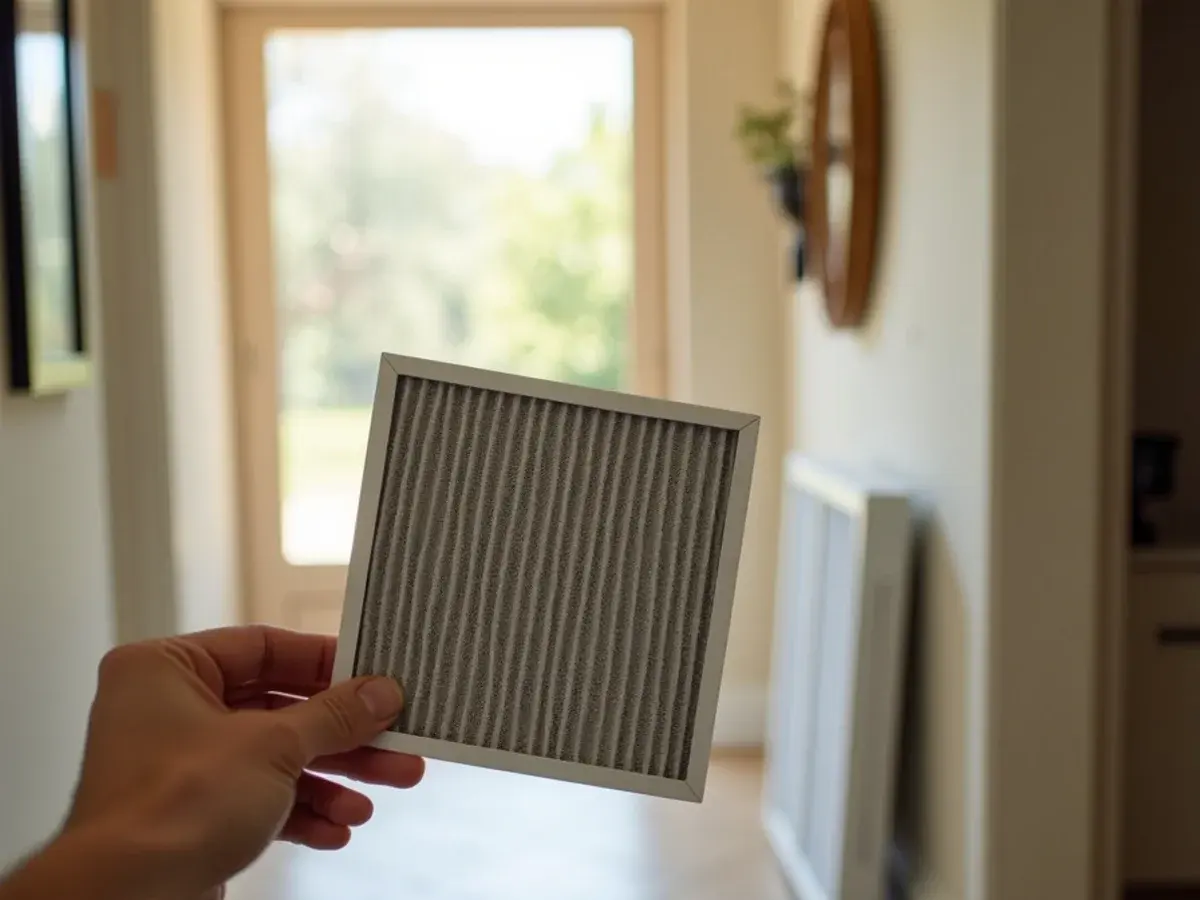
A packed filter starves the indoor coil of air. The system may run with weak airflow, freeze up, or trip a high-pressure or limit control and stop. Pull the filter and hold it to a light. If you cannot see light through it, replace it.
5. The condensate drain switch
Florida air handlers pull gallons of water out of the air on a humid day. That water drains through a PVC line, and algae grows inside it. When the line clogs, a float switch in the drain pan or on the line shuts the system off to keep water from overflowing into the ceiling or garage. If there is standing water in the secondary drain pan or around the float switch, that is very likely why the AC stopped.
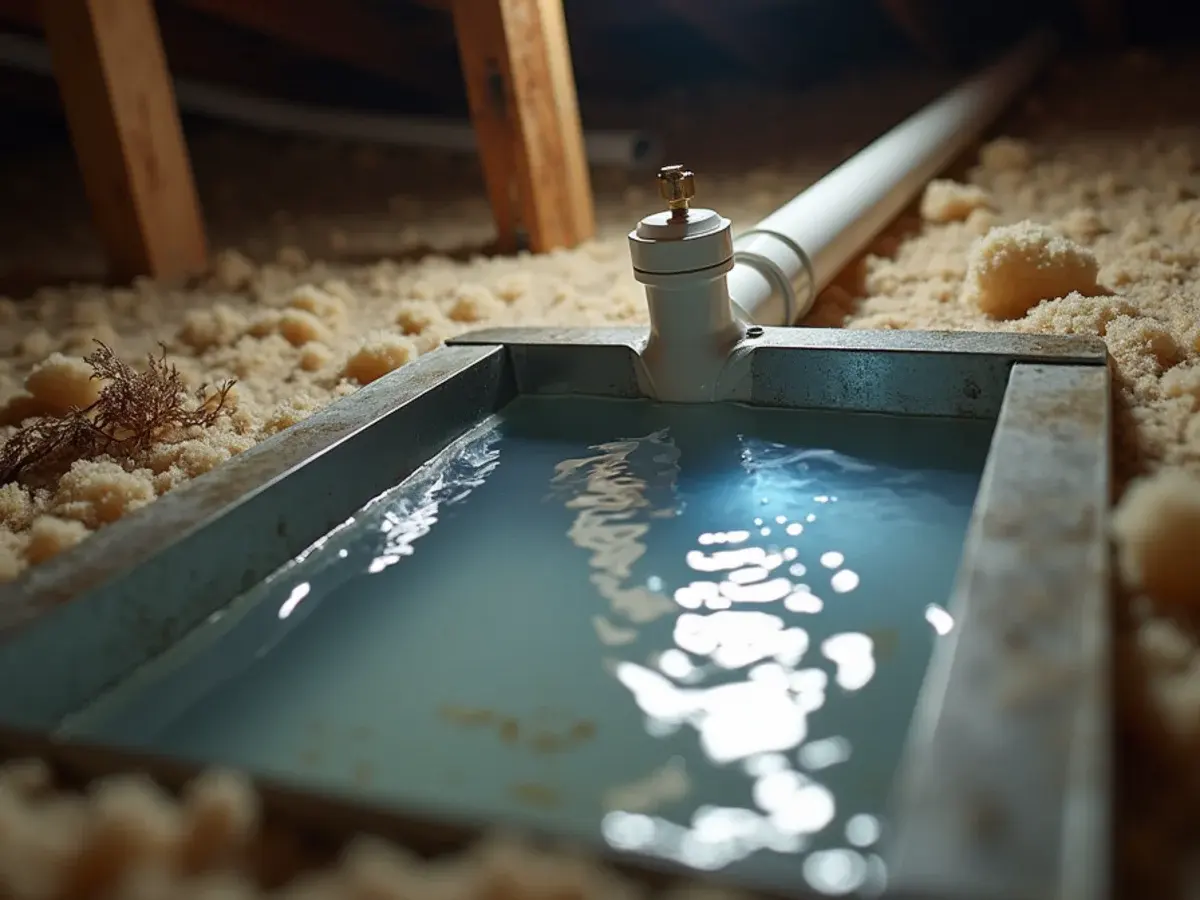
Drain-line shutoffs are one of the most common no-cooling calls in the newer builder homes around Minneola and across South Lake. You can wet-vac the line from the outdoor end, and the system may restart once the switch drops. If it clogs again within days, the trap or the slope of the line needs attention.
Checks 6 and 7: ice on the lines and a quiet outdoor unit
6. Ice or frost on the refrigerant lines
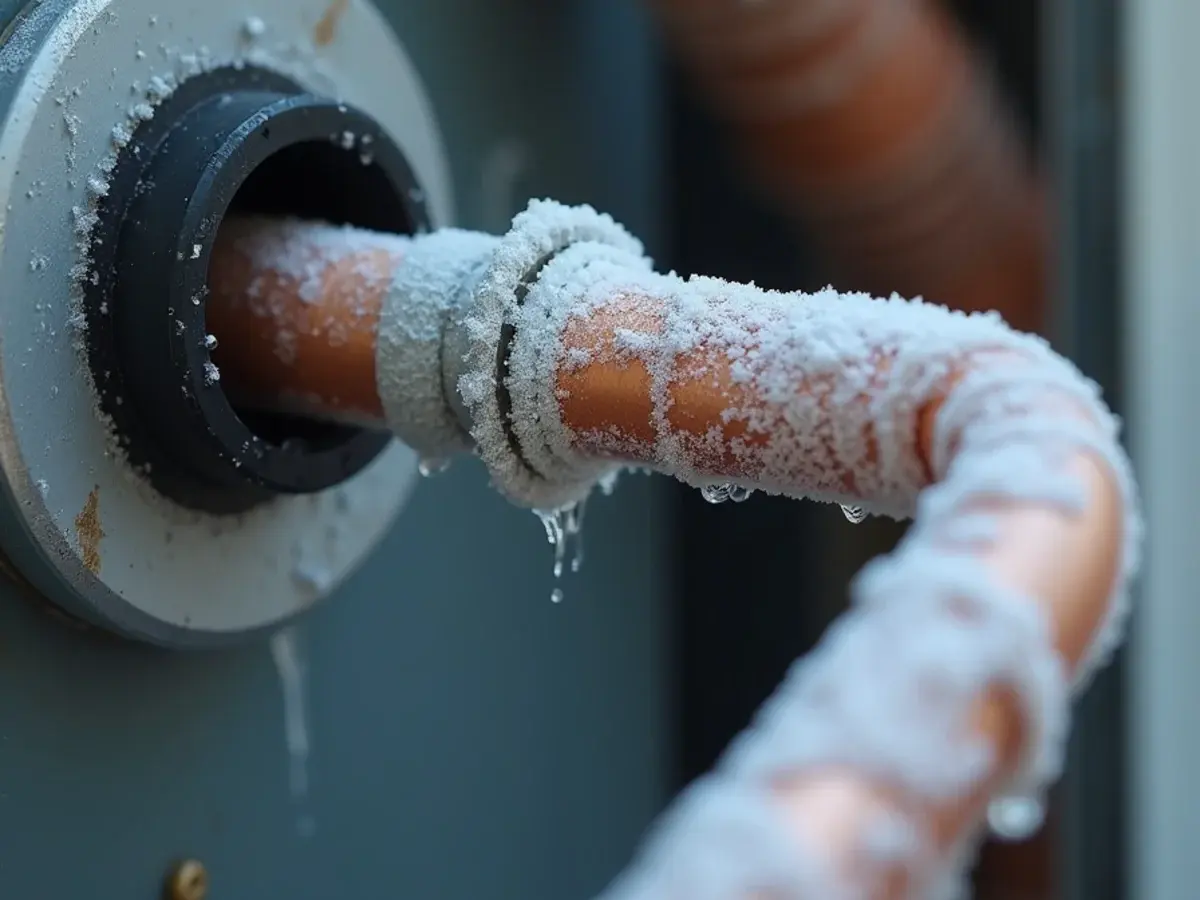
Look at the larger insulated copper line where it enters the air handler or the outdoor unit. Frost or ice means the evaporator coil has frozen, usually from low airflow or low refrigerant. Set the thermostat to Off and the fan to On so air moves across the coil and melts it. Expect several hours and a lot of water in the drain pan. Running Cool on a frozen coil can send liquid refrigerant back to the compressor.
7. Listen and look at the condenser
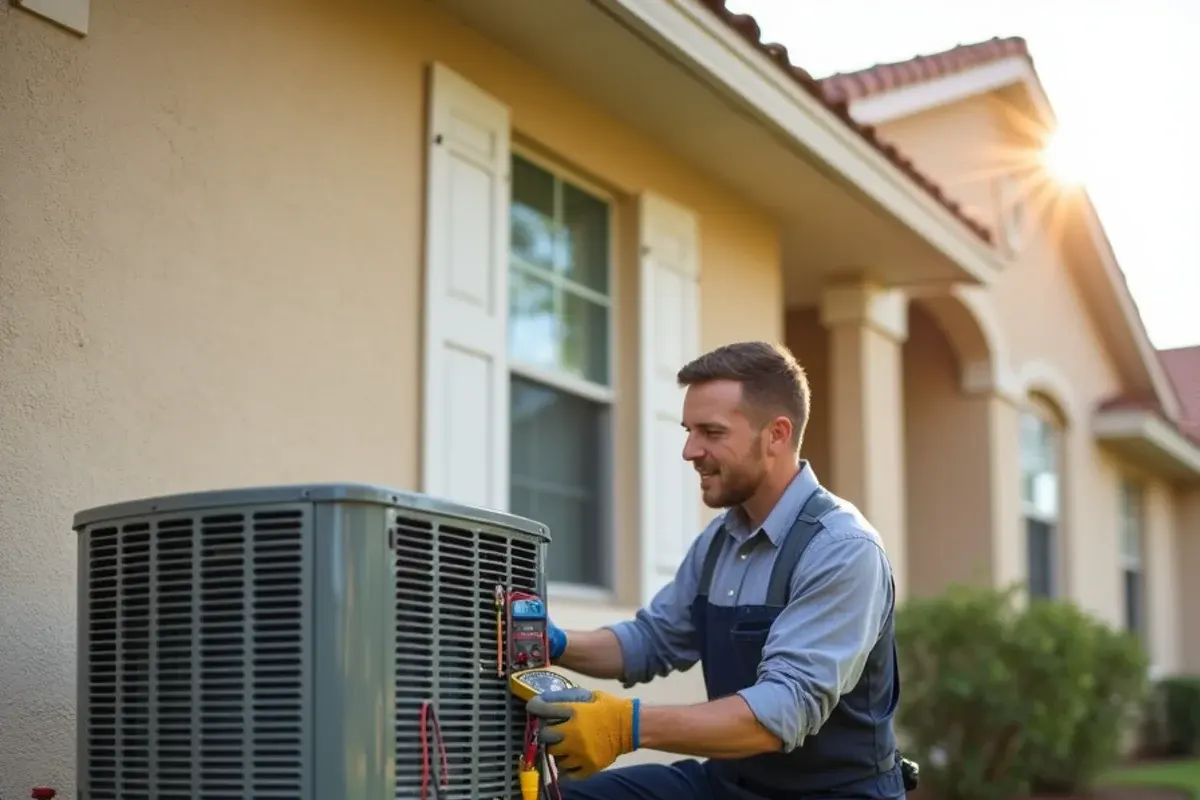
With the thermostat calling for cooling, stand by the outdoor unit. A healthy one runs the top fan and the compressor together. A steady hum with the fan not turning usually points to a failed dual run capacitor. Silence with the breaker on often means the contactor is not pulling in or the low-voltage signal is not arriving. A loud clanking or grinding means shut it off at the thermostat now.
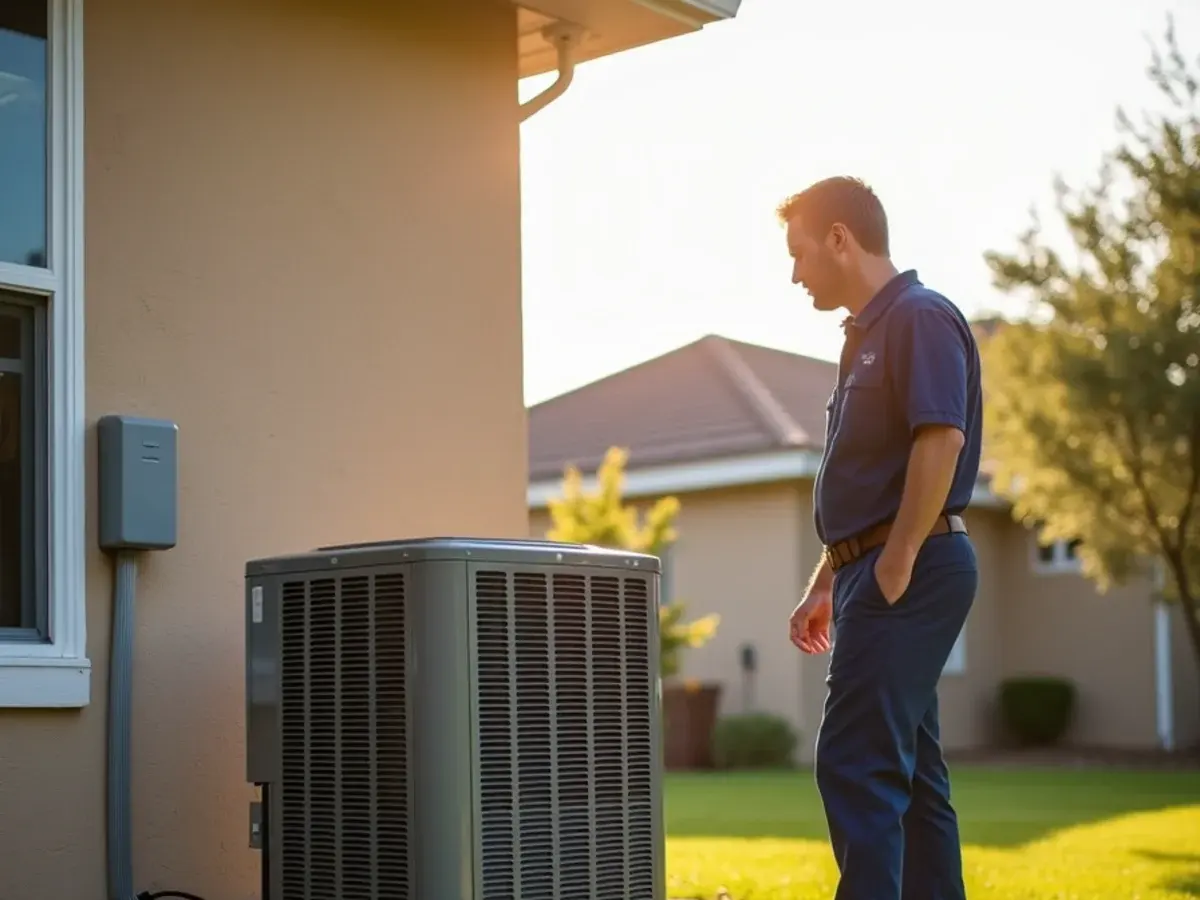
None of these are homeowner repairs, but what you see and hear is exactly what the technician needs to know. A capacitor or contactor failure is one of the faster fixes on a typical AC repair visit in Clermont.
Check 8: after a storm, surge or power outage
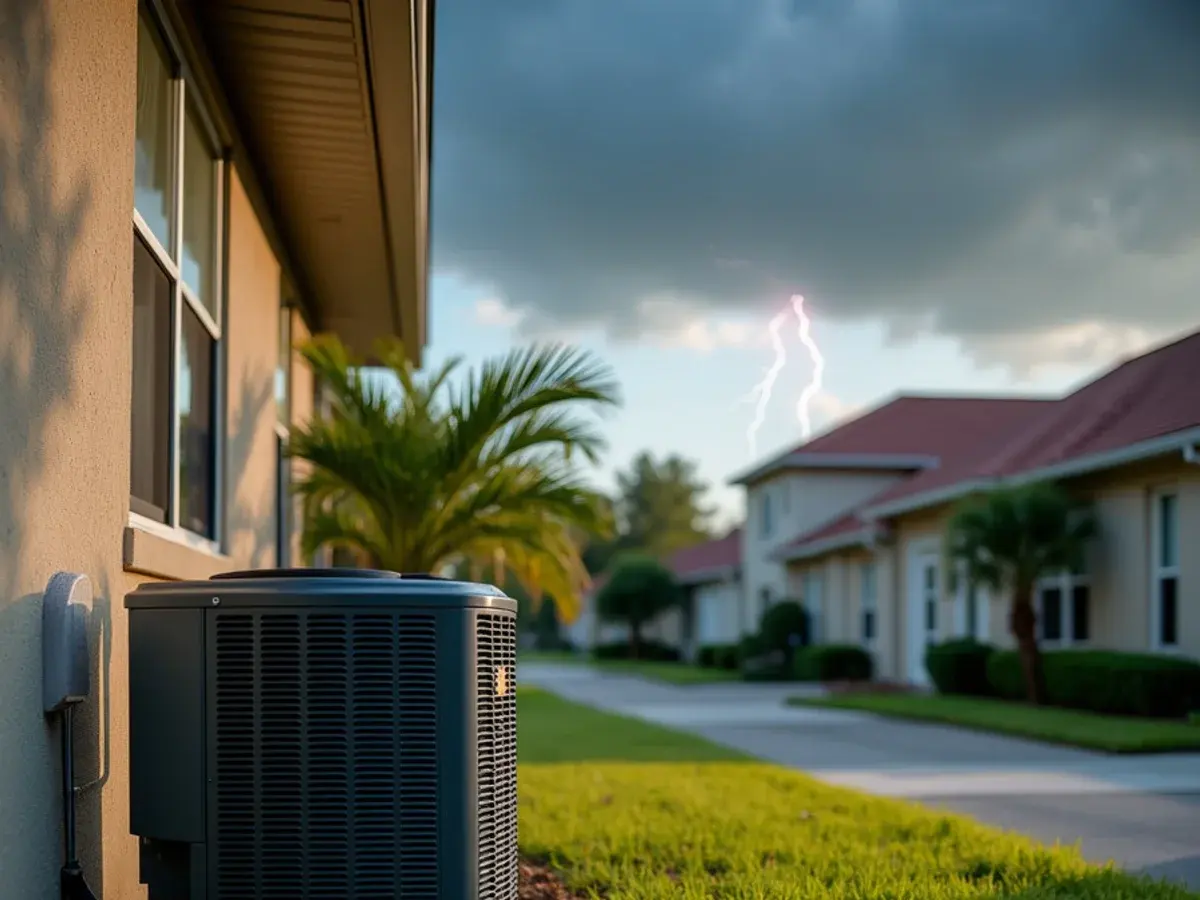
Summer thunderstorms over Lake County bring lightning, and power that blinks off and on can leave the system confused or damaged. When power returns, many systems wait out a built-in compressor delay of a few minutes before they start. Some thermostats reset to a default schedule or to Off.
- Wait five to ten minutes after power returns before deciding anything is wrong.
- Check the thermostat mode and setpoint again, since a reset may have changed them.
- Look at the breakers. A surge can trip the condenser breaker even when the house circuits stayed on.
- If the outdoor unit stays silent or the thermostat stays blank with fresh batteries, a surge may have taken out a control board, a transformer or a low-voltage fuse.
From the field: what these checks tell a technician
Technicians in Clermont see the same pattern every year. In the first hot weeks of May and June, the most common no-cooling call is a float switch that cut the power because the drain line clogged over the winter. After summer thunderstorms, it shifts to capacitors and contactors cooked by surges. Thermostat batteries account for more calls than anyone likes to admit.
That is why your notes matter. "The outdoor fan is not spinning but I hear a hum" points straight at the capacitor. "There is water in the pan under the attic unit" sends the technician to the drain first. A homeowner who reset the breaker three times, on the other hand, may have turned a cheap capacitor failure into a compressor that now trips on startup.
- Give it fifteen to thirty minutes, not an afternoon. If the eight checks do not restore cooling, more trial and error rarely helps and the house keeps heating up.
- A reset that works is not a repair. A tripped breaker or a float switch that dropped back down will usually happen again; book a visit for the cause.
- Most of these failures are preventable. A spring AC maintenance visit clears the drain and tests the capacitor before the first hot week.
When to stop checking and call right away
Those situations are what 24/7 emergency AC repair exists for. If the checks found nothing and the house is warming but everyone is comfortable, a next-morning visit may be the better call, and you can decide that with the dispatcher.
Still no cooling? Call (321) 478-0693
We answer (321) 478-0693 around the clock and send the nearest available HVAC contractor. Every HVAC contractor we send is licensed and insured in Florida. Arrival depends on the time of day, the weather and how many homes are without cooling, and the dispatcher will tell you what to expect.
Frequently asked questions
My AC came back on after I reset the breaker. Do I still need a technician?
Probably yes, though it may not be urgent. Breakers trip for a reason: a weak capacitor making the compressor draw high current on startup, a loose connection, or a motor starting to bind. If it ran fine for weeks before, it may have been a one-time surge. If it trips again, leave it off and call so the cause is found before it damages the compressor.
How often should I clear the condensate drain line in a Florida home?
Many homeowners in Central Florida flush the line every few months during the long cooling season, often with a cup of white vinegar poured into the access port near the air handler. That slows algae but does not remove a clog that has already formed. A drain that backs up repeatedly usually has a sagging run, a poor trap or no cleanout, which a contractor can correct.
Can I spray the outdoor unit with a hose if it looks dirty?
Yes, with the power off at the disconnect, spraying the fins straight on with gentle garden-hose pressure and without removing any panels. Never use a pressure washer, which flattens the aluminum fins. A dirty condenser coil makes the system work harder, but it rarely stops it outright, so it is unlikely to be the reason the AC quit today.
Serving Minneola, FL, Clermont and the rest of South Lake County.